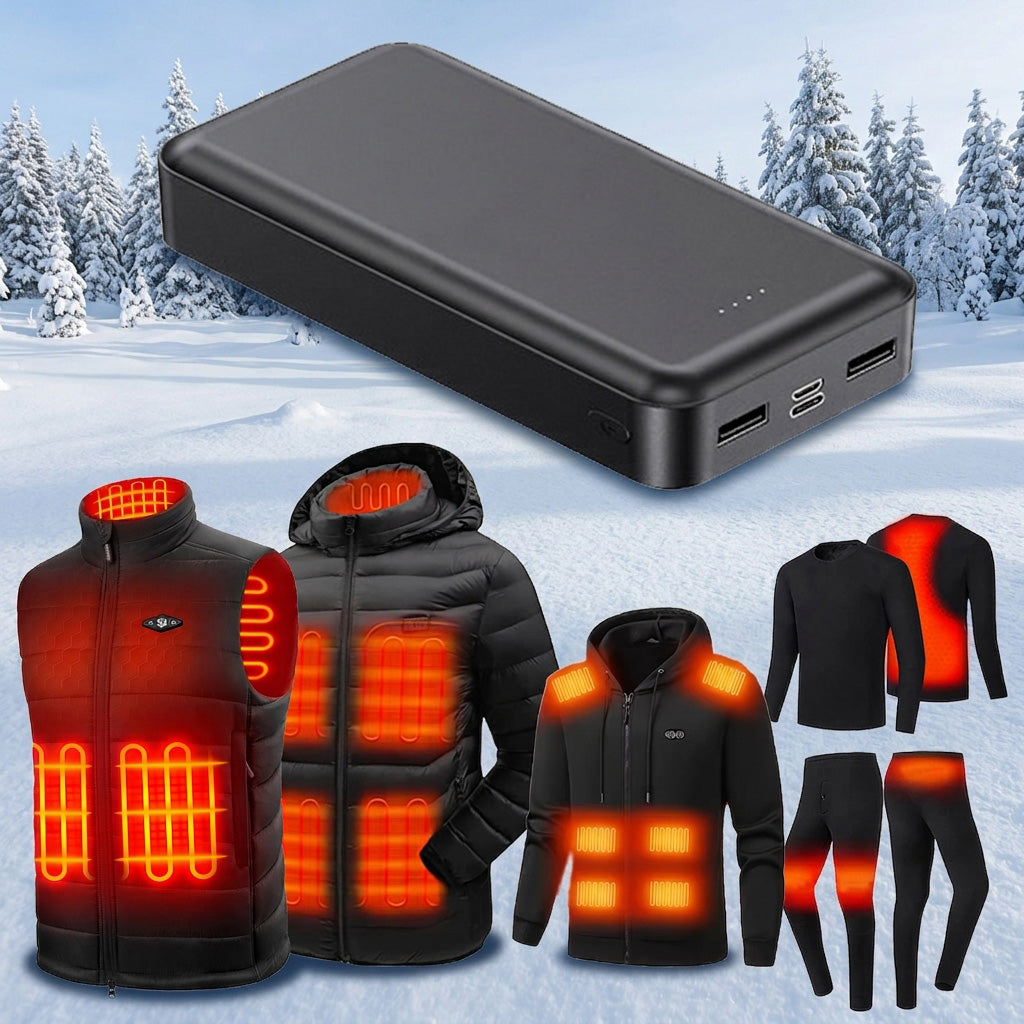
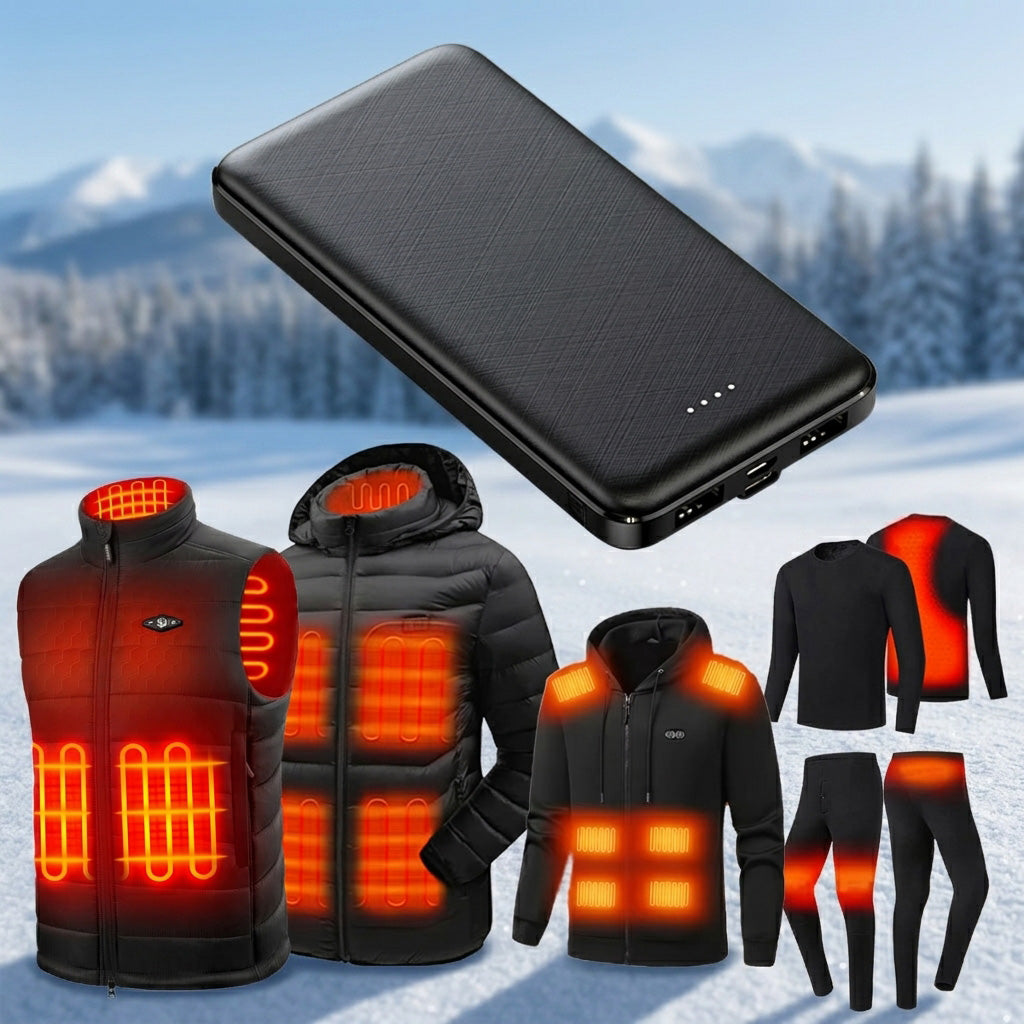
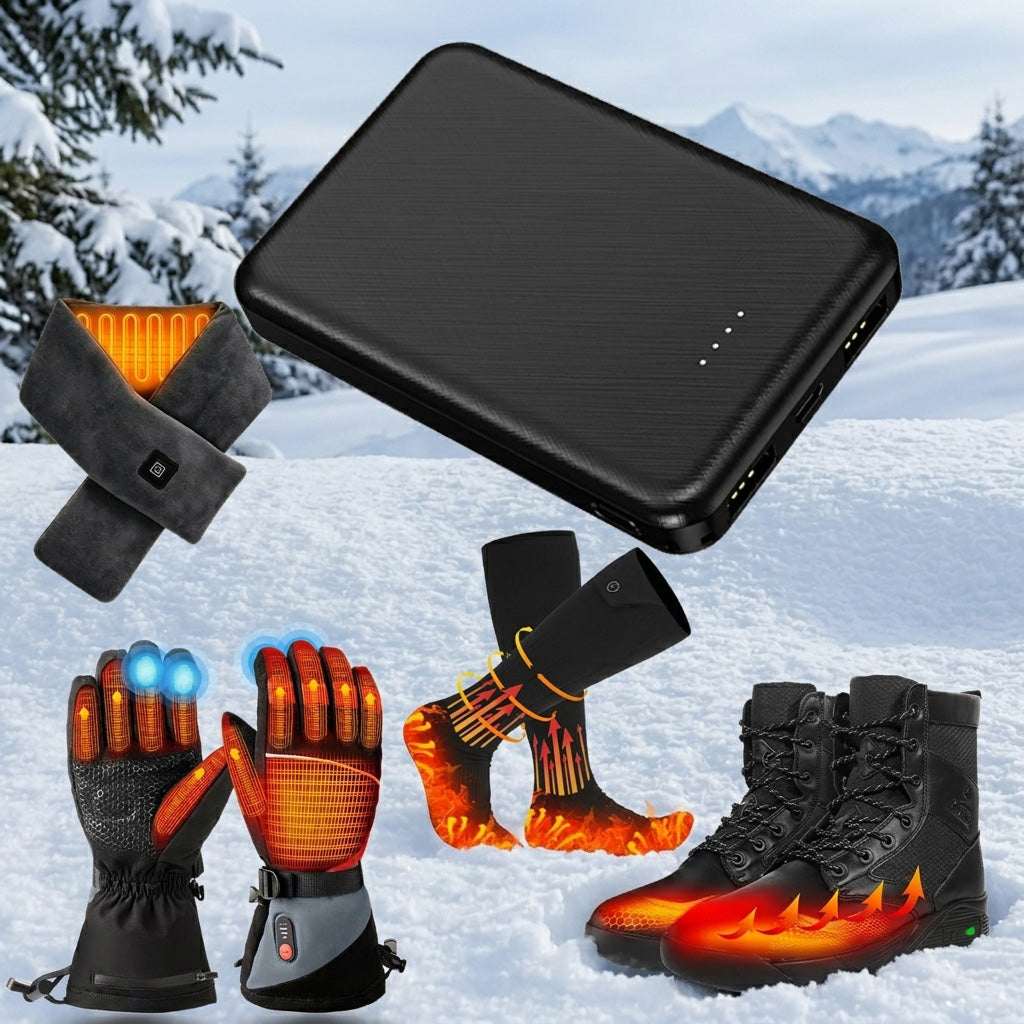
Winter layering once meant bundling up in bulky sweaters until moving your arms felt like a challenge. Down jackets and heavy parkas are useful for extreme sub-zero conditions, but they can be excessive—and restrictive—for everyday commutes, outdoor work, early dog walks, or chilly autumn evenings. A modern heated hoodie offers another approach.
By 2026, wearable heating has come a long way from the stiff, cumbersome garments filled with wires. Today’s leading heated hoodies look and feel much like a favorite heavyweight cotton or fleece pullover, with thin, flexible heating elements built in to provide warmth where you need it.
Still, with so many brands on the market, quality varies. A poorly made heated garment may have uneven hot spots, take too long to warm up, offer limited battery life, or develop wiring problems after only a couple of wash cycles.
If you’re considering a heated hoodie this season, this 2026 buying guide explains the technical details, safety features, and comfort factors worth checking—helping you choose dependable, comfortable warmth that lasts.

1. Heating Element Technology: Carbon Fiber vs. Graphene
The heating system sits beneath the hoodie’s inner lining. When comparing options, start by finding out which material produces the heat.
-
Carbon Fiber Heating Elements (The Industry Standard): Quality carbon-fiber threads are flexible and lightweight, producing far-infrared warmth that gently penetrates rather than simply overheating the skin’s surface. They can withstand repeated bending, so twisting, stretching, and folding the hoodie is less likely to damage the internal circuit.
-
Graphene Heating Panels (The 2026 Premium Upgrade): Graphene transfers heat more quickly and evenly than conventional wiring. It can warm up in seconds and spread warmth consistently across a panel, avoiding the “grid-line” feel sometimes associated with lower-cost wire-based designs.
-
What to Avoid: Be cautious of unbranded heating garments made with “alloy wire” or copper coils. Rigid metal wires can create pressure points, heat unevenly, and may be more vulnerable to short circuits after machine washing.
2. Heating Zones: Where Do You Actually Need Warmth?
A higher number of heating zones doesn’t necessarily make a hoodie better. The location and coverage of each zone matter more. Many thoughtfully designed heated hoodies include three to five strategically positioned areas:
-
Mid-to-Upper Back (Essential): The back covers a broad area and includes major muscle groups. Warming the upper and middle back can help spread heat across the upper body.
-
Left and Right Chest / Front Pockets (Essential): Chest panels help keep your core warm in headwinds, while heated pockets can also serve as convenient hand warmers.
-
Neck / Collar Area (High Value): Some 2026 styles include a discreet heating panel at the back of the collar. Keeping the neck warm can make your whole body feel more comfortable.
-
Arms / Sleeves (Optional): Heated sleeves are uncommon because wiring around the elbows can add bulk and use more battery power. For many people, heating the core, back, and pockets offers a practical balance of warmth and efficiency.
Pro Tip: Consider a hoodie with independent zone controls, such as dual-button or multi-button switches. You can warm your back without activating the chest, helping conserve battery when you only need a little extra heat.
3. Battery Voltage, Capacity, and Runtime
Understanding battery specifications is one of the best ways to avoid disappointment after buying. Heated clothing typically uses one of two power standards: 5V USB or 7.4V / 12V DC.
5V vs. 7.4V vs. 12V: What’s the Difference?
| Specification |
5V Standard USB |
7.4V Dedicated Li-Po |
12V High-Output |
| Warm-Up Speed |
Moderate (30–60 seconds) |
Fast (10–20 seconds) |
Instant (Under 10 seconds) |
| Max Temperature |
~113°F – 122°F (45°C – 50°C) |
~131°F – 140°F (55°C – 60°C) |
~149°F+ (65°C+) |
| Battery Weight |
Light (Standard power bank) |
Compact & ergonomic |
Heavier, bulkier pack |
| Best Use Case |
Mild chill, indoor/office wear, layering |
Outdoor commuting, hiking, winter sports |
Extreme sub-zero stationary work |
Battery Capacity (mAh / Wh): A typical 10,000mAh (37Wh) power bank offers a good balance between weight and runtime. With a 7.4V system, a 10,000mAh battery generally provides:
- Low heat (~100°F–110°F): 8–10 hours
- Medium heat (~115°F–125°F): 5–6 hours
- High heat (~130°F–140°F): 3–4 hours
Battery Pocket Placement: Consider where the battery is stored. A dedicated zippered pocket inside the hoodie, near the hip or side seam, helps keep it from knocking against your ribs while walking or sitting in a car.
4. Fabric Quality, Insulation, and Breathability
A heated hoodie must retain the warmth it produces to work effectively. If wind passes easily through the outer fabric, the battery has to work harder to offset the heat loss.
-
Outer Shell Fabric: Choose a substantial cotton-polyester blend, such as 60% cotton and 40% polyester at 320–400 GSM. Cotton offers softness, airflow, and a familiar streetwear appearance; polyester contributes durability, wrinkle resistance, and quicker drying.
-
Inner Lining: Brushed fleece or waffle-knit thermal fabric forms tiny air pockets that hold radiant warmth near your body. Skip thin, low-quality polyester linings that can feel damp and uncomfortable as you heat up.
-
Wind Protection and Cuffs: Ribbed cuffs and a close-fitting waistband help retain warm air around your torso and keep chilly drafts from traveling up your sleeves.
5. Safety Certifications and Smart Thermal Protection
Since the garment contains electrical components and is worn over a base layer, safety deserves careful attention. Choose electronics with appropriate certifications and protective features.
-
Battery Certifications: Check whether the included power bank is certified to standards such as UL, CE, FCC, or RoHS. These certifications indicate protections designed to guard against issues such as overcharging, short circuits, and thermal runaway.
-
NTC Overheat Protection: Many modern heated hoodies use Negative Temperature Coefficient (NTC) sensors in the heating pads. If a heating zone passes its safety threshold—often around 140°F/60°C—the system can lower the voltage to help reduce the risk of burns or fabric damage.
-
Discreet LED Controls: A chest-mounted control that lets you switch off its indicator light while keeping the heat on can be useful in dark settings, theaters, or during hunting and camping.
6. Washability and Long-Term Durability
Shoppers often wonder whether a heated hoodie can go in the washing machine. Many well-made models can be machine-washed when basic care instructions are followed. Before purchasing, confirm that the product is labeled machine-washable and check its stated wash-cycle rating, if available.

How to Wash a Heated Hoodie:
- Disconnect and remove the battery from its inner pocket.
- Place the USB/DC connector cable back inside the pocket and fully close the zipper. If the cable has a waterproof silicone cap, secure it first.
- Put the hoodie in a mesh laundry bag to help protect the fabric and wiring from catching on the washer agitator.
- Use a gentle cycle, cold water, and mild detergent. Avoid bleach and fabric softener.
- Hang the hoodie to dry. Tumble-dryer heat may damage internal insulation or waterproof seam seals.
7. Fit and Sizing: How Should a Heated Hoodie Fit?
Fit can influence how well heated clothing performs, unlike with many oversized streetwear hoodies. Carbon-fiber and graphene heating elements work through contact and close-range radiant heat. If the hoodie is several sizes too large, warm air can escape and the panels may sit too far from your back and chest.
Choose a True-to-Size Athletic or Regular Fit: The hoodie should feel comfortable over a lightweight thermal shirt or long-sleeve base layer, without restricting movement.
Make Room for Layers: A well-fitting, low-bulk hoodie can be worn beneath a windproof shell, denim jacket, or winter coat in freezing conditions, helping keep generated warmth close to your body.
8. Quick Buying Checklist: 6 Questions Before You Checkout
Before selecting “Add to Cart,” review your options with this six-point checklist:
- Does it use flexible carbon-fiber or graphene panels instead of rigid metal wires?
- Does it heat at least three core areas, such as the upper or middle back and both sides of the chest or pockets?
- Does it offer at least three heat settings—Low, Medium, and High—with simple one-touch controls?
- Is a certified 7.4V or high-output 5V battery included, or is it sold separately?
- Is the outer fabric heavyweight (300+ GSM) and paired with a heat-retaining fleece lining?
- Does the warranty clearly cover both the garment and its electronic heating system?
Enjoy Comfortable Warmth Throughout the Day with Firoth
At Firoth, we believe keeping warm should not come at the expense of comfort, freedom of movement, or everyday style. Our 2026 Heated Hoodie Collection combines thin, fast-heating carbon-fiber technology, heavyweight breathable fleece blends, and certified, long-lasting battery packs—designed for everything from the morning commute to late-night outdoor outings.
👉 Explore the Firoth 2026 Heated Hoodie Collection and discover a winter layer that suits you.
👉 Explore the Firoth 2026 Heated Hoodie Collection and find your perfect winter layer today.