Cooling Products Buying Guide
Your body sheds heat by sweating, and sweat only works if it can evaporate. Add humidity, PPE, or a body that doesn't regulate temperature properly, and that system stalls — which is when heat stops being uncomfortable and starts being dangerous. Our cooling products take over where your own cooling system gives out, keeping you safe and comfortable in demanding conditions.
The Four Types, and What Each Is Actually For
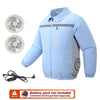
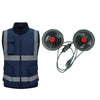
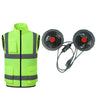
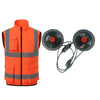
Phase change cooling packs offer the best performance in humid environments, melting at a precise temperature to maintain steady cooling without relying on evaporation. Unlike evaporative gear, which fails when air is already saturated, phase change technology keeps working in factories, tropical climates, and high-moisture conditions. Ice-based systems deliver maximum cold but with shorter duration, while circulatory systems provide extended cooling through pumped liquid at higher cost and complexity. Choose phase change for reliable, maintenance-free performance wherever humidity blocks traditional evaporative cooling.
Humidity Decides Almost Everything
If you're in humid conditions—a factory floor, tropical climate, or anywhere moisture-saturated air blocks evaporation—phase change cooling vests and ice vests outperform evaporative gear. In dry heat, evaporative cooling is excellent and affordable. Choose based on your environment's humidity level to maximize cooling efficiency and comfort.
Cool the Core, Not the Skin
Your core temperature controls your whole body's comfort and safety. A cooling vest targeting your torso—where major blood vessels concentrate—cools far more effectively than peripheral solutions like arm sleeves or headbands. Pair it with a neck cooler to amplify results, since blood runs close to the skin's surface at the neck. Together, they create a two-point cooling system that maximizes heat dissipation without the bulk or expense of full-body coverage.
Know What Heat Illness Looks Like
Cooling gear helps you stay ahead of heat stress — it is not a treatment for heat stroke. Confusion, stopped sweating, and a racing pulse are medical emergencies requiring immediate attention, not situations where a cooling vest will help. If you work regularly in hot conditions, familiarize yourself with heat illness warning signs. They're why this product category exists.