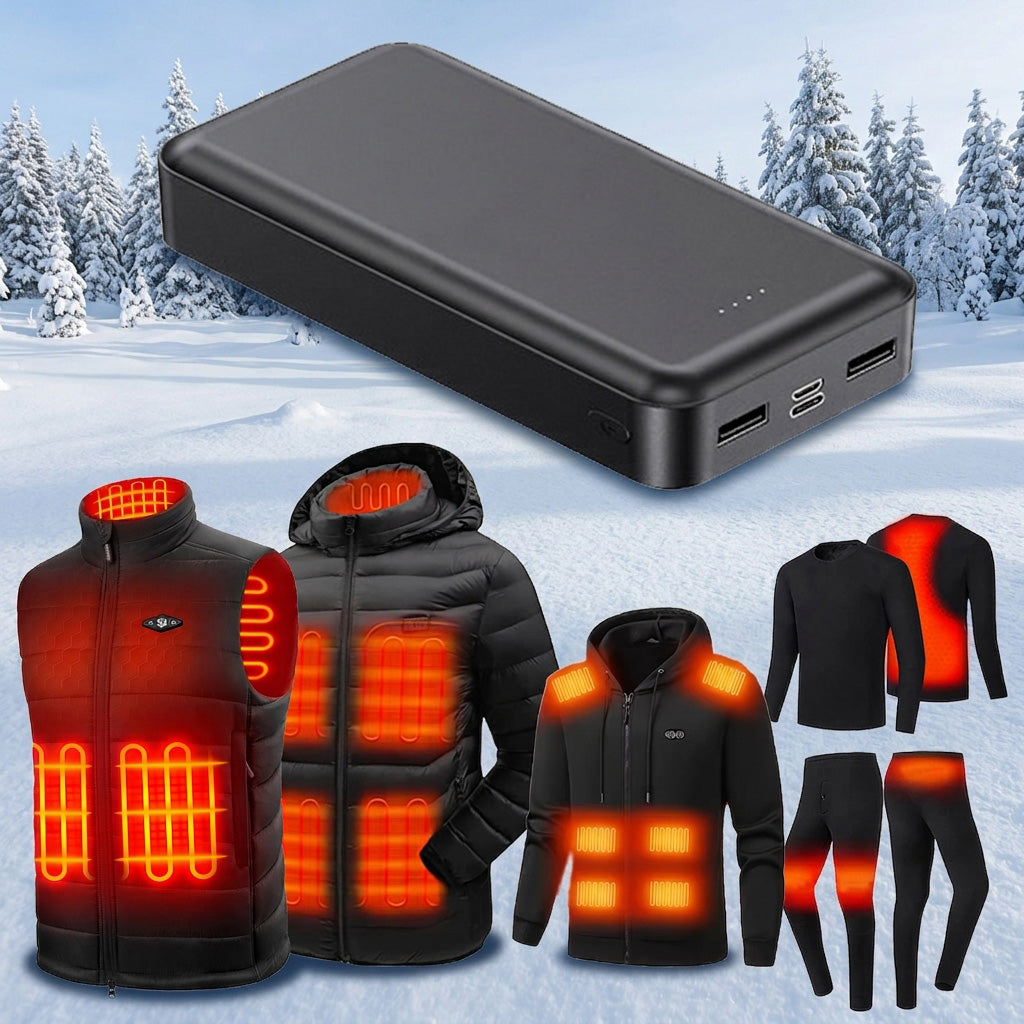
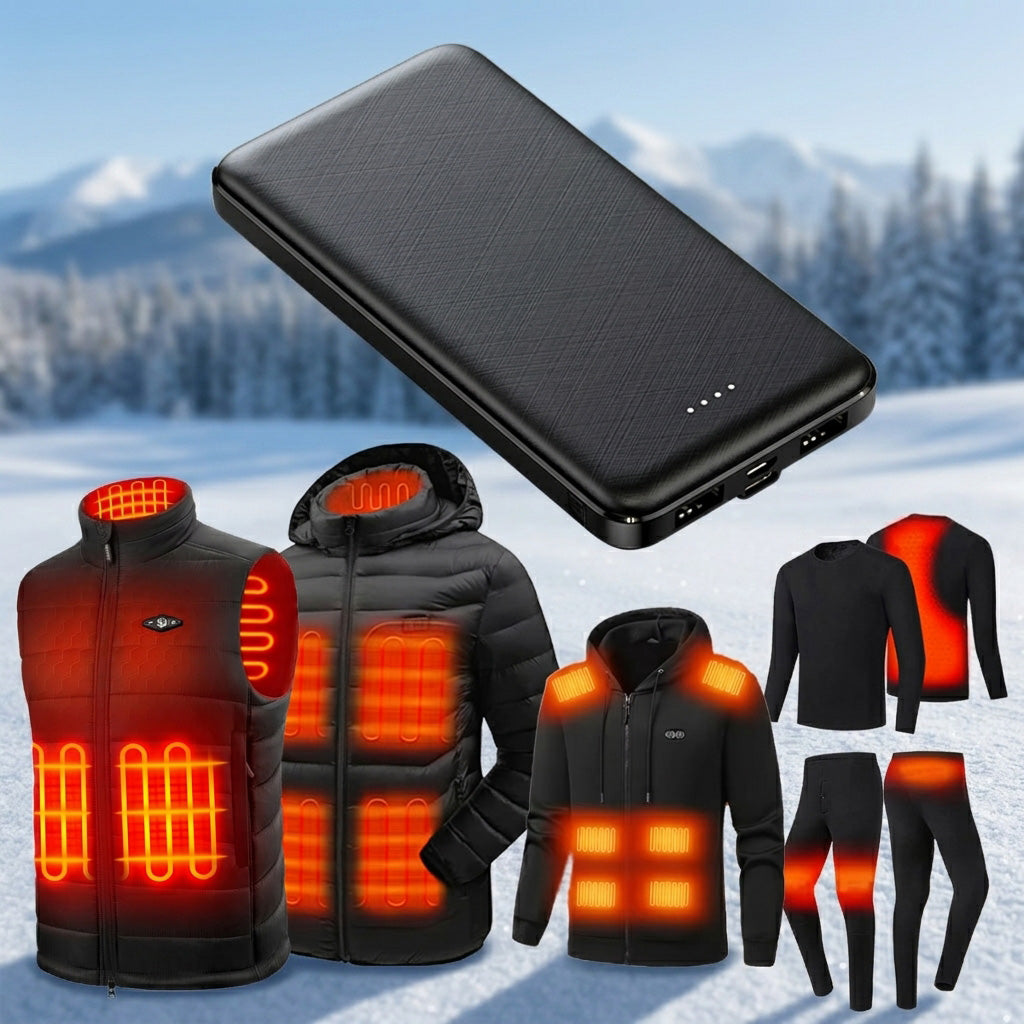
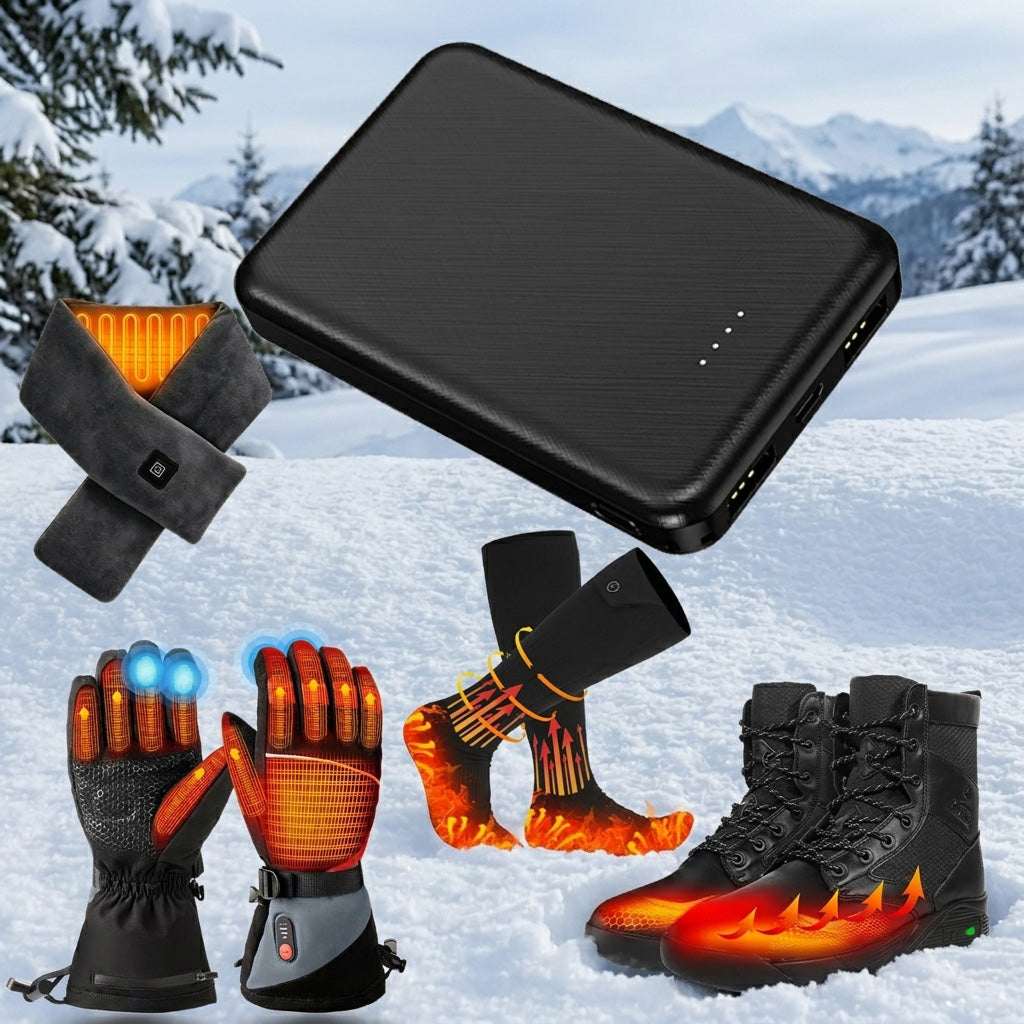
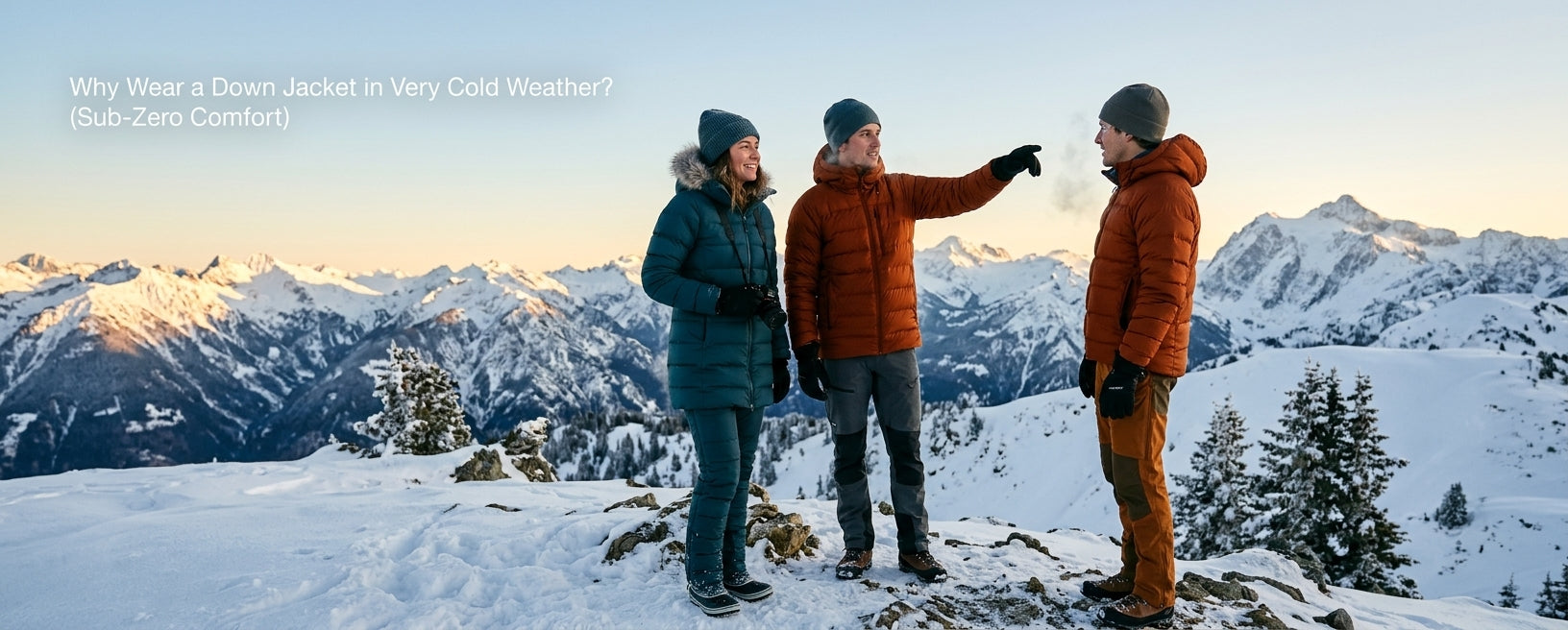
You know the moment the thermometer dips below zero—the sharp chill that makes you draw your shoulders in and crave a cup of hot chocolate? That’s when a down jacket becomes a trusted companion, especially a heated down jacket. But staying warm involves more than instinctively adding layers. Understanding how a jacket like this protects you from the cold helps you take charge of your winter days. Instead of simply enduring the chill, you can get ready to face it.
![]()
![]()
![]()

At Firoth, thermal protection is both our specialty and our passion. We’re sharing what you need to know to make cold-weather outings more enjoyable. From the basics of insulation and useful care tips to how to choose a model that suits your needs, this article is a practical guide to saying yes to more plans, whatever the weather. Let’s get started!
The basics of thermal insulation: how a down jacket protects you
How trapped air creates your personal heat bubble
Ever wondered how a down jacket does such a good job of keeping you warm? It comes down to air. Air held between the fibers in the filling forms a still-air layer that works as an insulating barrier—your own heat bubble. Fluffier down can trap more air, helping provide greater protection. That’s the basic idea.
-
The physical principle: still air is an effective natural insulator, and this is the first thing to understand.
-
Loft rating: measured in “cuin,” with ratings for high-performing down jackets generally ranging from 600 to 900.
-
Strategic distribution: areas such as the torso and back may receive extra insulation for added protection.
Natural down and synthetic fill: differences that matter
Should you choose goose down or synthetic fibers? Each has strengths that may suit different activities. Natural down offers a strong warmth-to-weight ratio, but it can be affected by moisture. Synthetic fill can continue insulating when damp and tends to dry quickly. Choosing between them comes down to your needs.
-
Natural down: exceptionally light and compressible, and with proper care, it can last for more than 10 years.
-
Modern synthetic fill: resistant to rain, quick to dry, and often more affordable. It can be a practical option for a waterproof jacket.
-
Hybrid design: a combination of both techniques that brings together their benefits for versatile use.
Weight and fill distribution: understanding the numbers
What do 200g, 400g, or 600g of fill mean? These figures can help indicate a jacket’s level of insulation. Choosing a weight suited to how you’ll use it can help you stay comfortable without feeling overly bulky. Fill distribution also plays an important role: it can affect how freely you move. A considered choice means taking all these details into account.

The real advantages of a down jacket in extreme cold
Reliable protection: when the temperature turns against you
At -10°C, your body can lose heat within minutes without proper protection. A down jacket creates a warm microclimate to help maintain your core temperature. This barrier against the cold lets you stay active in extremely low temperatures while reducing the risk of hypothermia. It’s more than clothing—it’s a layer of armor.
-
Protection for vital areas: helps keep your organs near 37°C.
-
Coverage for your extremities: supports circulation, especially important for your hands and feet.
-
Wind resistance: a windproof layer helps counter the chilling effects of wind.
A well-made down jacket is an essential layer for staying warm. It helps keep your body temperature steady, even at -20°C, so you can continue your activities with greater comfort and protection.
Lightweight freedom of movement: leave the Michelin Man look behind
Modern clothing, from technical parkas to Firoth down jackets, pairs protection with easy movement. You no longer need layers that weigh you down. A technical down jacket can weigh less than a kilo while providing insulation comparable to three wool sweaters. Move with ease, work comfortably, and make the most of your day. In fall, you can even layer it over a simple T-shirt.

Adaptive warmth: support your body’s natural temperature regulation
A down jacket does more than keep you warm. It works with your body, helping manage temperature as your activity changes. At rest, it holds in warmth; on the move, it helps draw away excess moisture. This adaptable comfort is what sets it apart. Your jacket works around your needs, rather than the other way around.
How to choose the right down jacket for your needs
Key technical features: weight, fit, and water resistance
Looking for your ideal down jacket—the one that could become a favorite? Start with three factors. Weight affects warmth, the fit (short or long) can influence how freely you move, and a waterproof membrane helps shield you from the elements. Consider all three to find the right balance of comfort.
-
Appropriate weight: 200g for the city, 400g for the mountains, and 600g for expeditions.
-
Ergonomic fit: fitted for sport, relaxed for work, or long for added coverage.
-
Technical membrane: a waterproof, breathable membrane helps wick away perspiration.
Urban, sporty, or professional down jackets: options for every setting
Your routine can guide your choice. An urban down jacket for women or men puts style and comfort first, pairing easily with jeans. A sport-focused design emphasizes breathability and low weight, while a professional jacket may prioritize durability and safety standards. Think about your needs before deciding.
-
Refined urban: a tailored fit, considered details, and current colors bring a fresh touch to a classic look.
-
Technical sportswear: stretch, packability, and effective moisture management.
-
Hard-wearing workwear: reinforced areas, practical pockets, and sometimes high-visibility details.
Standards and quality labels: details that matter
Certifications can offer guidance on performance and sourcing. For example, the RDS label indicates responsible down sourcing, while bluesign® focuses on environmental considerations. When a committed brand shares these credentials, they can help you assess a jacket’s quality and durability. You can also explore our other articles on the subject.

Care and durability: get the most from your down jacket
Simple steps to maintain loft and insulation
Your down jacket needs little upkeep, but a few habits make a difference. Give it a gentle shake each day to spread the down evenly, and air it out regularly to release moisture. These small steps can help extend its lifespan and preserve its warmth.
-
Dry it daily: Hang your jacket on a broad hanger after wearing it.
-
Fluff it regularly: Gently shake or pat it to restore the fill’s loft.
-
Air it monthly: Let fresh air help clear unwanted odors.
Store it well and avoid common mistakes
Storage plays an important role in your jacket’s performance. Avoid keeping it compressed for extended periods, and make sure it is clean and completely dry before putting it away. To help preserve the down’s loft, choose a breathable storage bag and steer clear of plastic.
When and how to wash your down jacket without damaging it
Washing it twice per season is usually plenty. Choose a detergent made for down and add tennis balls (really!). Wash on a delicate cycle at 30°C with a low spin setting. Tumble-dry with the balls to bring back its loft. That’s the key to keeping it looking its best.
Innovations transforming the world of down jackets
Hybrid technology: down jackets get smarter
The latest generation of down jackets features active technology. Temperature sensors, built-in heating zones and automatic adjustments turn a passive jacket into a thermal-regulation system that responds to your needs in real time. What once seemed like science fiction is now a reality!
-
Focused heating zones: warmth for the back, lower back and chest, directed where it matters most.
-
Lightweight batteries: as much as 8 hours of warmth on a single charge.
-
Smartphone controls: change the temperature with a simple tap.
Eco-conscious choices: sustainable materials that perform
Recycled down and bio-based fibers are reshaping the market. These lower-impact materials can deliver performance comparable to traditional options. Now you can enjoy thermal protection while making a more planet-conscious choice. This is the future of warm clothing.
Our mission: to make extreme cold an obstacle of the past
At Firoth, we believe the temperature should never restrict your freedom. Drawing on our thermal expertise since 2017, we offer solutions and heated clothing that turn winter into an opportunity. We pair the passive insulation of quality down jackets, including parkas and fleece jackets, with active heating technology for complete protection.
Here’s how we’re here for you every day:
-
Trusted thermal expertise: 7 years of innovation, more than 300,000 products sold, and a 4.1/5 Trustpilot rating from over 1,500 reviews.
-
Distinctive technologies: BATV01 heated jackets, gloves offering up to 6 hours of battery life, and a 3-level heating system.
-
Personalized guidance: recommendations tailored to how you’ll use your gear—whether in the city, for sport, or at work—plus a detailed selection guide on every product page.
-
Ongoing innovation: a partnership with VoltR for eco-designed batteries, high-performance carbon filaments, and breathable, waterproof membranes.
-
Outstanding customer care: a dedicated team available to contact, fast delivery, 100% secure payment, and a satisfaction guarantee. Free shipping is also available under certain conditions!
Conclusion
You now know the essentials of choosing a down jacket. Cold weather doesn’t have to hold you back. Whether you’re working on a construction site at -15°C or walking through the forest, a down jacket, heated vest, or heated jacket can be your ticket to thermal freedom. Wearing the right protection can make winter your favorite season. Complete your outfit with a suitable pair of pants and shoes.
At Firoth, we take warmth further by pairing passive insulation with active heating technology, offering up to 6 hours of thermal autonomy. Ready to discover how to stay in control when temperatures drop? Find the solution that suits you, and feel free to share your look on Instagram or Pinterest!
FAQ
WHAT IS THE DIFFERENCE IN WARMTH BETWEEN A 600 AND 800 CUIN DOWN JACKET?
An 800 cuin down jacket provides about 30% more warmth than a 600 cuin jacket at the same weight. “Cuin” refers to fill power: a higher rating means the down traps more insulating air. For urban wear, 600 cuin is often sufficient. For extreme conditions, consider 800 cuin or higher.
HOW DO I KNOW IF MY Firoth JACKET IS COMPATIBLE WITH HEATED BATTERIES?
All our jackets with heating zones use the standard BATV01 connection system. Check the lining for a battery pocket and USB connector. Our 7.4V batteries are compatible with every Firoth heated jacket and down jacket. If you have questions, our customer service team can help.
AT WHAT TEMPERATURE DOES A DOWN JACKET BECOME ESSENTIAL?
At 5°C, a lightweight down jacket or mid-season jacket can make you more comfortable. Below 0°C, one becomes essential for helping maintain your body temperature. For extended outdoor work or sub-zero temperatures, add another layer and choose a model weighing at least 300g.
CAN YOU WEAR A Firoth HEATED JACKET IN THE RAIN?
Yes. Our heated jackets feature waterproof, breathable membranes, and the batteries are housed in waterproof pockets. The heating technology continues to work in moderate rain. In heavy rain, choose a model from our range with reinforced water-repellent treatment.
HOW LONG DOES A WELL-MAINTAINED JACKET LAST?
With appropriate maintenance, a quality jacket can last for more than 10 years. Natural down is durable and can retain its insulating properties for decades when stored correctly. Our Firoth models are built to handle intensive use. Think of it as an investment rather than an expense.
HOW DO I CHOOSE BETWEEN A THIN DOWN JACKET AND A THICK DOWN JACKET FOR WORK?
Your activity level matters most. If you’re frequently on the move, a lightweight down jacket (150–250g) or technical fleece can help prevent overheating. For a mostly stationary outdoor job, choose a warmer option weighing 300–400g. Our heated models let you adjust the temperature when your situation requires added flexibility.